- Sakala tn 7-2 10141 Tallinn, Estonia
- (+372)-8111-8587
- info@blushkorea.com
- Free Shipping above Є999.99
- MOQ: 5 Units
When most people think about skincare, their minds instantly go to cleansers, toners, serums, and moisturizers for the face. Yet, the truth is that skincare extends far beyond the face. The skin on your body makes up about ninety percent of your total skin surface, and it deserves just as much attention. Neglecting body care can lead to dryness, rough texture, and uneven tone, even if your face looks flawless. A good body care routine is not about luxury but about maintaining overall skin health and preventing premature aging everywhere. Understanding why body skincare matters and how it differs from facial skincare can completely change the way you care for yourself.
The skin on the face and body may look similar, but they have different needs. Facial skin is thinner, more delicate, and often exposed to the environment, while body skin is thicker and tends to be drier because it has fewer oil glands. This difference means that products formulated for the face are usually lighter and more concentrated, while body products are designed to provide deeper hydration and protection. The advantage of knowing this difference is that you can choose the right products for each area instead of using the same lotion or cleanser all over. Using facial creams on the body is usually unnecessary and expensive, while applying thick body creams to the face can cause breakouts or clogged pores. Understanding these small differences makes your entire routine more effective and balanced.
Cleansing the body properly is the foundation of good body skincare. Just as your face collects oil, dirt, and pollutants throughout the day, your body does too. However, many people make the mistake of using harsh soaps that strip the skin of its natural oils. This can lead to dryness, itchiness, and even irritation. Choosing a gentle body wash or cleansing oil with moisturizing ingredients like shea butter, coconut oil, or aloe vera helps preserve the skin’s natural barrier. The advantage of gentle cleansers is that they clean without leaving the skin tight or rough. Compared to regular soaps, hydrating cleansers help the skin maintain a healthy glow and softness. The difference is clearly noticeable after just a few days of consistent use.
Exfoliation is another crucial step that many people overlook. Dead skin cells accumulate on the body just as they do on the face, making the skin appear dull and preventing lotions from absorbing properly. Exfoliating once or twice a week removes this layer, improves circulation, and leaves the skin smoother. Natural exfoliants such as sugar, salt, or coffee scrubs are great choices. They gently polish the surface and promote a healthy, even texture. The advantage of natural exfoliation is that it helps brighten the skin without the need for harsh chemical peels. However, over-exfoliating can lead to redness or sensitivity, so it is important to be gentle and consistent rather than aggressive. The difference between exfoliated skin and non-exfoliated skin is easily seen in its tone and texture.
Moisturizing is the key to soft, supple, and youthful body skin. Since body skin tends to lose moisture faster than facial skin, applying a good body lotion or butter is essential. Ingredients such as cocoa butter, argan oil, jojoba oil, and glycerin deeply hydrate and help maintain elasticity. The best time to apply moisturizer is right after a shower, when the skin is still slightly damp. This helps lock in moisture and keeps the skin hydrated throughout the day. The difference between moisturized skin and dry skin is significant. Hydrated skin feels smooth and looks radiant, while dry skin often feels tight, rough, and itchy. The advantage of regular moisturizing is not only better texture but also stronger resistance against environmental stress.
Sun protection is just as important for the body as it is for the face. Many people diligently apply sunscreen to their faces but forget the neck, arms, legs, and other exposed areas. Sun exposure causes wrinkles, sunspots, and loss of elasticity, not only on the face but across the body. Using a broad-spectrum sunscreen with adequate SPF can prevent premature aging and protect against harmful UV rays. The difference between skin that has been protected regularly and skin that has been neglected becomes more apparent with time. Protected skin maintains even tone and firmness, while unprotected skin often shows signs of sun damage and uneven pigmentation.
Body care also includes paying attention to often-neglected areas. The neck, chest, elbows, knees, and hands tend to age faster because they experience frequent movement and friction. Applying moisturizer and sunscreen to these areas can make a noticeable difference. The hands, for example, are constantly exposed to sunlight and washing, which can make them dry and lined. Using hand cream regularly helps maintain softness and prevents visible aging. Similarly, the feet also deserve attention. Regular exfoliation and moisturizing keep them smooth and prevent cracks. The advantage of focusing on these smaller details is that your entire body looks and feels well cared for, not just your face.
Hydration from within plays an equally vital role in body skincare. Drinking enough water and eating foods rich in antioxidants and vitamins keep the skin nourished from the inside out. Fruits and vegetables like cucumbers, oranges, berries, and avocados contribute to better hydration and improved elasticity. The difference between hydrated and dehydrated skin is visible in its texture and color. Hydrated skin has a natural glow and softness, while dehydrated skin looks dull and lifeless. The advantage of this approach is that it supports overall wellness, improving not only the skin but also hair, nails, and energy levels.
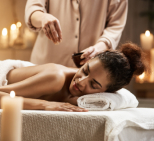
Body massage is another powerful way to care for your skin naturally. Massaging improves blood flow, helps in detoxification, and enhances product absorption. Using natural oils such as almond or sesame oil during massage nourishes the skin and relaxes the body. The difference between skin that receives regular massage and skin that does not is noticeable in its tone and firmness. Massaged skin appears healthier, and the body feels lighter and more energized. The advantage of this routine is that it not only benefits the skin but also improves mental relaxation, reducing stress, which can contribute to healthier-looking skin overall.
Regular physical activity also contributes to body skincare. Exercise increases blood circulation, delivering oxygen and nutrients to skin cells. Sweating helps remove toxins from the body, unclogging pores and promoting a clear, glowing complexion. However, it is equally important to cleanse the skin after workouts to prevent sweat buildup from causing irritation. The difference between an active lifestyle and a sedentary one is reflected in the skin’s appearance. Active individuals often have brighter, more even-toned skin, while lack of movement can lead to dullness and sluggish circulation.
Sleep and stress management are often forgotten but play a large role in maintaining healthy skin. During sleep, the body repairs itself, renewing cells and restoring moisture. Insufficient rest can cause dark circles, dryness, and premature wrinkles. Managing stress through meditation, stretching, or simply spending time outdoors supports hormonal balance, which in turn keeps the skin calm and clear. The advantage of good sleep and relaxation is that the skin naturally looks refreshed without much effort. The difference between well-rested skin and tired skin is easily visible.