- Sakala tn 7-2 10141 Tallinn, Estonia
- (+372)-8111-8587
- info@blushkorea.com
- Free Shipping above Є999.99
- MOQ: 5 Units
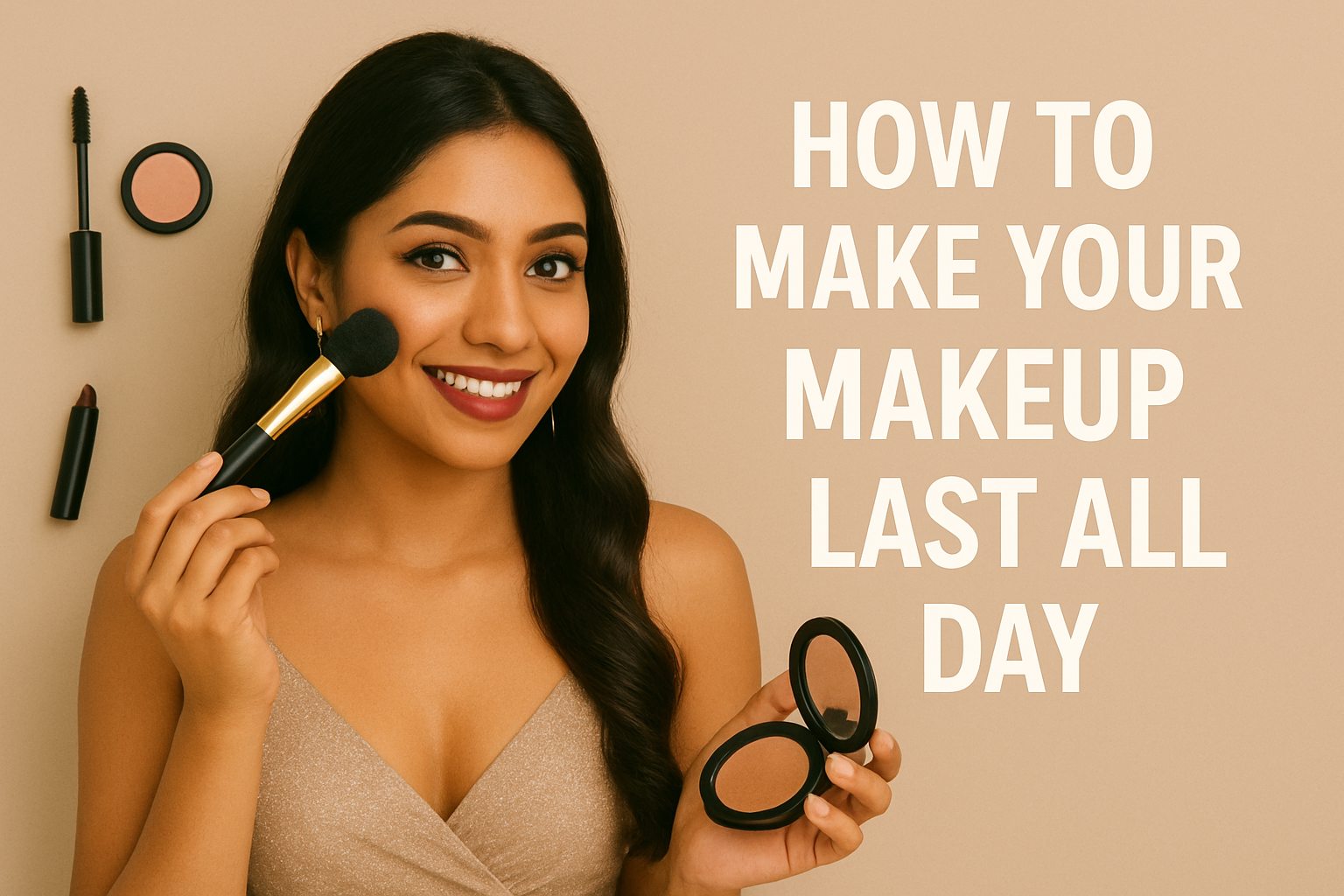
Every woman who loves makeup knows how frustrating it can be to spend time perfecting a look in the morning, only for it to fade away by afternoon. Long-lasting makeup is something everyone desires, but achieving it requires more than just expensive products. The truth is, it is a combination of the right preparation, suitable techniques, and smart choices of products that make all the difference. The goal is not just to make makeup last longer but also to keep it looking fresh, smooth, and natural throughout the day. Whether you are going to work, attending a wedding, or enjoying a night out, understanding the right balance between skin care and makeup application can completely change the way your makeup behaves on your skin.
The first step toward long-lasting makeup begins with the skin itself. Makeup does not stay put on a rough or oily base. A clean, well-hydrated face creates the perfect foundation for everything that follows. Cleansing the skin removes dirt and oil, which can otherwise break down the makeup layer. Many people make the mistake of skipping moisturizer because they think it makes makeup slide off. In reality, properly moisturized skin holds makeup better, while dry skin causes foundation to cling to patches and fade unevenly. The difference lies in the kind of moisturizer used. Lightweight, oil-free moisturizers work best for oily skin, while creamy, rich ones help dry skin stay supple.
One of the most debated topics in makeup is whether primers are necessary. Primers act as a bridge between skincare and foundation, creating a smooth surface for even application. Some people find primers make a huge difference in the longevity of their makeup, while others feel they make no visible change. The effectiveness of primer largely depends on your skin type and the type of foundation used. Silicone-based primers often work well for oily skin because they help control shine and minimize pores. Water-based primers, on the other hand, are more suitable for dry or sensitive skin as they add hydration and prevent the foundation from looking heavy. The advantage of using a primer is that it grips the makeup and prevents it from oxidizing quickly, but the disadvantage is that if not chosen correctly, it can clog pores or make your base look cakey.
The type of foundation you choose also plays an essential role in how long your makeup lasts. Many people struggle to decide between liquid, powder, and cream foundations. Liquid foundations usually provide smoother coverage and blend better with the skin’s natural texture, which helps them stay longer. Powder foundations, while quick to apply, can fade faster and tend to highlight dry areas. Cream foundations fall in between, offering both hydration and coverage but sometimes feeling heavy in hot weather. The difference in wear time depends on your environment and skin type. A long-wear matte foundation might suit someone with oily skin who works outdoors, whereas a dewy, hydrating foundation might be better for dry skin in cooler climates. Each type has its advantages and disadvantages. Liquid foundations offer flexibility and natural blending, powder foundations give quick mattifying effects, and creams provide richer coverage but may require more setting.
Setting products are another key factor in long-lasting makeup. Setting powder and setting spray both serve the same purpose but in different ways. Setting powder absorbs excess oil and helps lock foundation in place, while setting spray seals the layers of makeup and prevents it from moving. The main difference between the two is texture and finish. Powders give a matte look and are better for oily skin, whereas sprays help retain a natural or dewy glow and suit all skin types. The advantage of setting powder is that it keeps shine under control for hours, but it can make dry skin look dull or flaky. Setting spray, on the other hand, makes makeup appear more natural and prevents it from feeling heavy, though some formulas can reduce longevity in very humid conditions. A combination of both products, when used wisely, offers the best results.
Another important area where people often struggle is keeping eye makeup intact. Eyeliner that smudges and eyeshadow that creases are common issues. The difference between regular and waterproof eye products is worth understanding. Waterproof eyeliner and mascara last much longer because they resist sweat and tears, but they can also be harder to remove and may cause dryness or irritation if used too frequently. Regular products are easier on the skin and lashes but tend to fade faster. Using an eyeshadow base or primer before applying color can make a huge difference. It creates a grip for the pigment and keeps it from creasing. The advantage of using such a base is improved color payoff and longevity, while the only disadvantage is the extra step it adds to your routine.
When it comes to blush, bronzer, and highlighter, one technique that professionals often recommend is layering cream and powder formulas. Cream products melt into the skin, providing a natural finish, while powder products lock the color in place. The difference between using only cream products and layering both is visible in the wear time. Cream-only products might fade after a few hours, especially on oily skin, whereas the combination technique ensures that your face retains its healthy glow throughout the day. The advantage of this layering is longer wear and better color vibrancy, while the disadvantage can be the risk of over-applying and making the makeup look heavy. The key is blending everything gently and evenly.
Lips are another area that often lose color quickly. There is a big difference between glossy, satin, and matte lipsticks in terms of wear time. Glossy finishes are beautiful but fade within a few hours, while matte lipsticks stay much longer. However, matte lipsticks can sometimes dry out the lips and make them feel uncomfortable. The advantage of matte lipstick is its staying power, whereas the disadvantage is its tendency to highlight cracks and dryness. A useful trick is to exfoliate the lips before application, apply a thin layer of lip balm, and blot it off before putting on lipstick. Using lip liner underneath adds grip and definition, making any lipstick last longer.
Environmental factors also play a major role in makeup longevity. Heat, humidity, and pollution can all cause makeup to break down faster. In hot climates, makeup tends to melt, while in dry weather, it may crack or settle into lines. The difference between indoor and outdoor wear is significant because temperature, air conditioning, and sunlight affect how your makeup behaves. Using the right primer and setting products according to weather can make all the difference. For example, mattifying products help control oil in heat, while hydrating sprays prevent dryness in cold air.
While all these techniques have clear benefits, it is also important to remember that heavy layering and too many products can sometimes do more harm than good. Overusing foundation or powder can clog pores, leading to breakouts and dullness over time. The best approach is to strike a balance between coverage and breathability. Less makeup that is well-applied often looks fresher and lasts longer than multiple thick layers.
A common misconception is that only high-end products provide long wear. In reality, many drugstore products are formulated to last just as long as luxury ones if applied correctly. The difference often lies not in the product but in how it is used. Proper skin preparation, blending, and setting are far more crucial than the price tag of your foundation or lipstick.
In the end, the secret to making makeup last all day is not a single product but a complete process that starts with skincare and ends with careful finishing. Clean, moisturized skin, the right primer, suitable foundation, balanced setting, and mindful touch-ups create a flawless and lasting look. Each method and product has its own set of advantages and disadvantages, but when chosen according to individual needs, they work together beautifully.
Long-lasting makeup is a combination of science and art. It is about understanding your skin, adapting your products, and perfecting the routine that works best for you. While it might take a little time to find the right balance, the results are worth it. With the right techniques, you can walk through your entire day without worrying about fading foundation or smudged lipstick. Makeup that lasts all day not only enhances your beauty but also boosts your confidence, allowing you to focus on your day rather than constant touch-ups.